
The Autumn Transition: 5 Designer Secrets for Bridging Late Summer Light and Autumnal Comfort
The Autumn Transition: 5 Designer Secrets for Bridging Late Summer Light and Autumnal Comfort
As late summer unfolds, a subtle transformation occurs in the way we interact with our living spaces. The blazing, unyielding heat of midsummer slowly gives way to cooler twilight breezes and noticeably shorter days. Yet, August presents a unique interior design paradox: it is far too early to wrap our homes in heavy, winterized wools and dark velvets, but midsummer’s lightweight, ultra-sheer styling suddenly feels thin, sparse, and emotionally incomplete.
High-end interior designers rarely wait for the calendar to turn on September 21st to adjust a room’s spatial energy. Instead, they employ nuanced, tactile shifts that gradually prepare a bedroom or living space for the coming season without sacrificing breathability. Here are 5 foundational designer secrets for curating a seamless late-summer-to-autumn bedding and soft furnishing transition.
1. Swap Visual Density, Not Thermal Weight
The most common mistake home occupants make during transitional months is prematurely swapping out their lightweight summer duvets for heavy, heat-trapping winter blankets. The result is inevitably restless, overheated nights.
Interior stylists solve this through visual density rather than thermal mass. Maintain your breathable, moisture-wicking summer insert, but layer a textured linen coverlet or a low-weight waffle-weave throw across the foot of the bed. By introducing physical depth and visual grounding through woven textures—rather than trapped air and dense insulation—you achieve the inviting, cocoon-like presence of autumn decor while preserving optimal thermal airflow for August nights.
2. Pivot the Accent Palette via Earth-Toned Saturated Neutrals
Midsummer aesthetic relies heavily on high-contrast crisp whites, nautical blues, and vivid botanical hues. To initiate a calm, transitional warmth, preserve your crisp foundational white or ivory sheets, but rotate secondary accent elements toward muted earth tones.
Introduce tones of warm ochre, soft terracotta, weathered sage, or rich taupe across your decorative throw pillows. This subtle pivot grounds the room’s visual gravity without requiring a complete bedding overhaul. The key is balance: let the base linens reflect late summer light while the accent soft furnishings mirror the changing landscape outside.
3. The 2-Inch Sizing Rule for Cushion Lofts
During summer, flat, lightweight, and relaxed throw cushions feel breezy and casual. As we approach autumn, architectural structure becomes paramount to creating an inviting, structured sanctuary. A closely guarded trade secret among top-tier editorial stylists is the "2-inch sizing rule" for insert architecture.
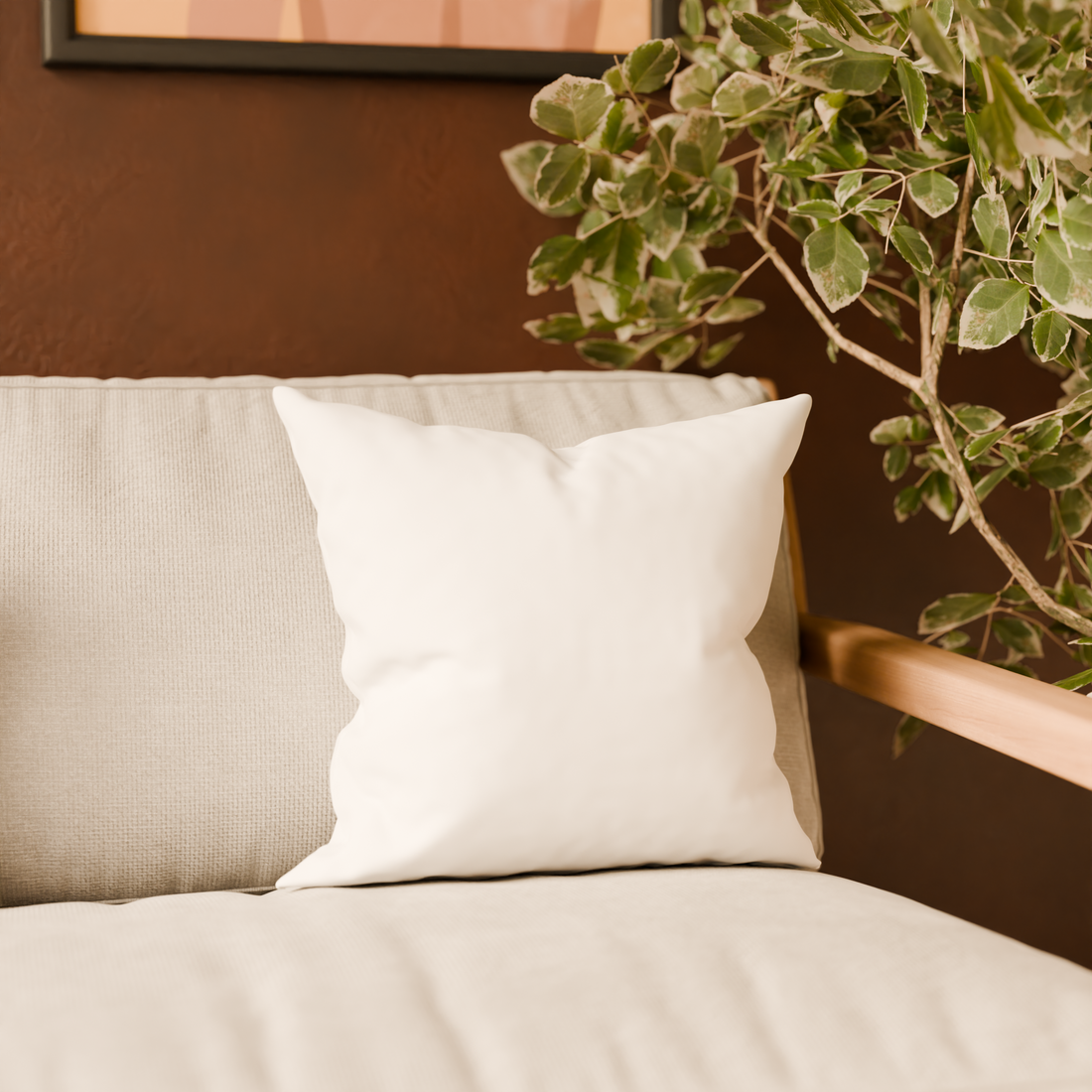
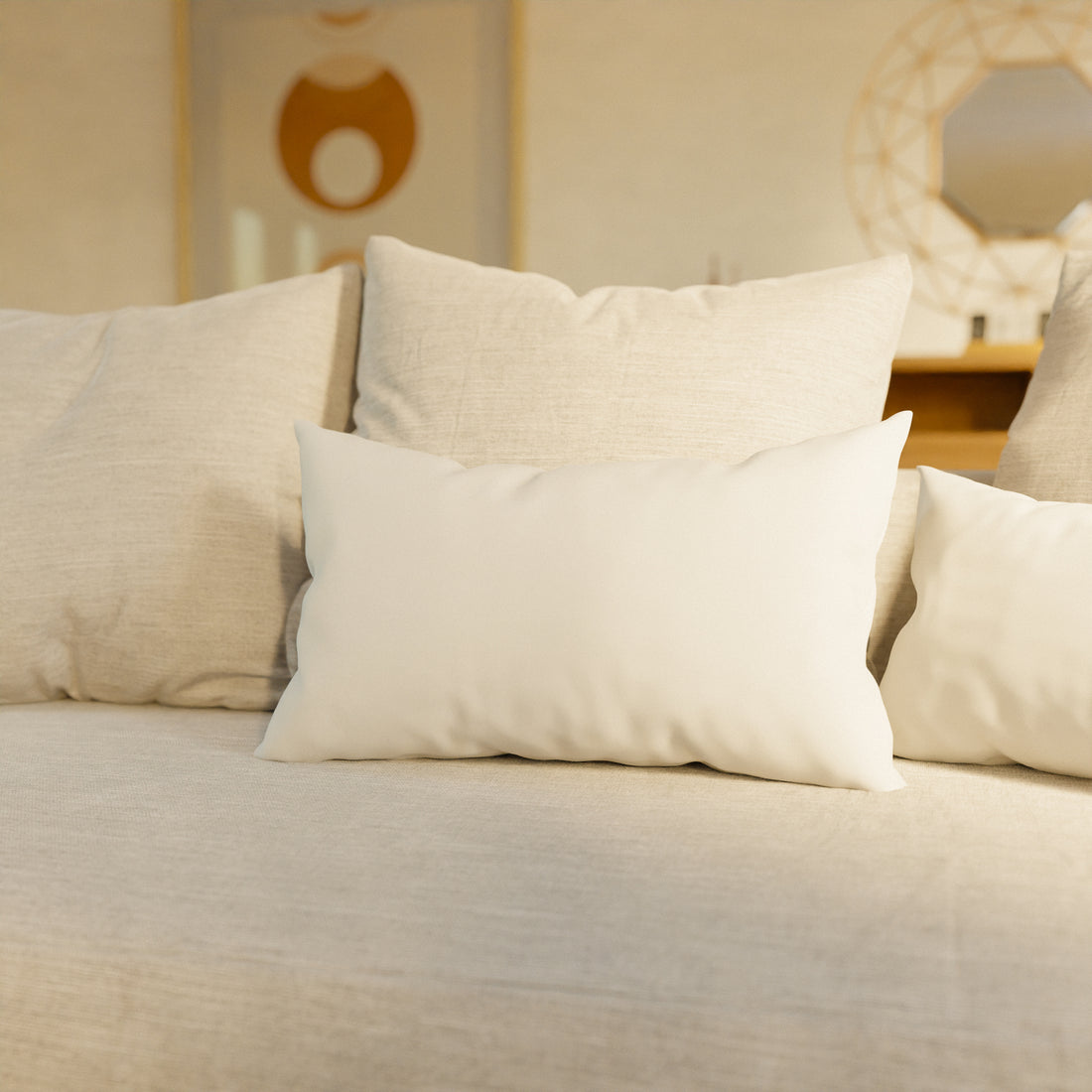
Never pair a cushion cover with an insert of the exact same dimensions. For a 20x20-inch decorative cover, always insert a 22x22-inch high-density insert. This deliberate micro-upsizing fills the corners completely, eliminates unsightly fabric slack, and imparts a plump, tailored fullness that invites touch and conveys immediate luxury.
4. Introduce Tactile Contrast Through Mixed-Fabric Layering
Late summer design is all about tactile harmony. Rather than shifting entirely to heavy winter textiles like shearling or dense velvet, curate a rich interplay of mixed materials.
Combine crisp, cool stonewashed linen pillow covers with subtle raw silk, bouclé, or matte cotton-canvas accents. The juxtaposed contrast between cool-to-the-touch linen and structured woven textiles creates a sensory bridge—offering visually cozy depth that remains physically comfortable under late August temperatures.
5. Transition from Ambient Light to Tactile Warmth
In midsummer, sunlight does the heavy lifting in making a bedroom feel expansive and airy. As evening light wanes in August, the spatial focus shifts from ambient daylight to intimate, tactile comfort.
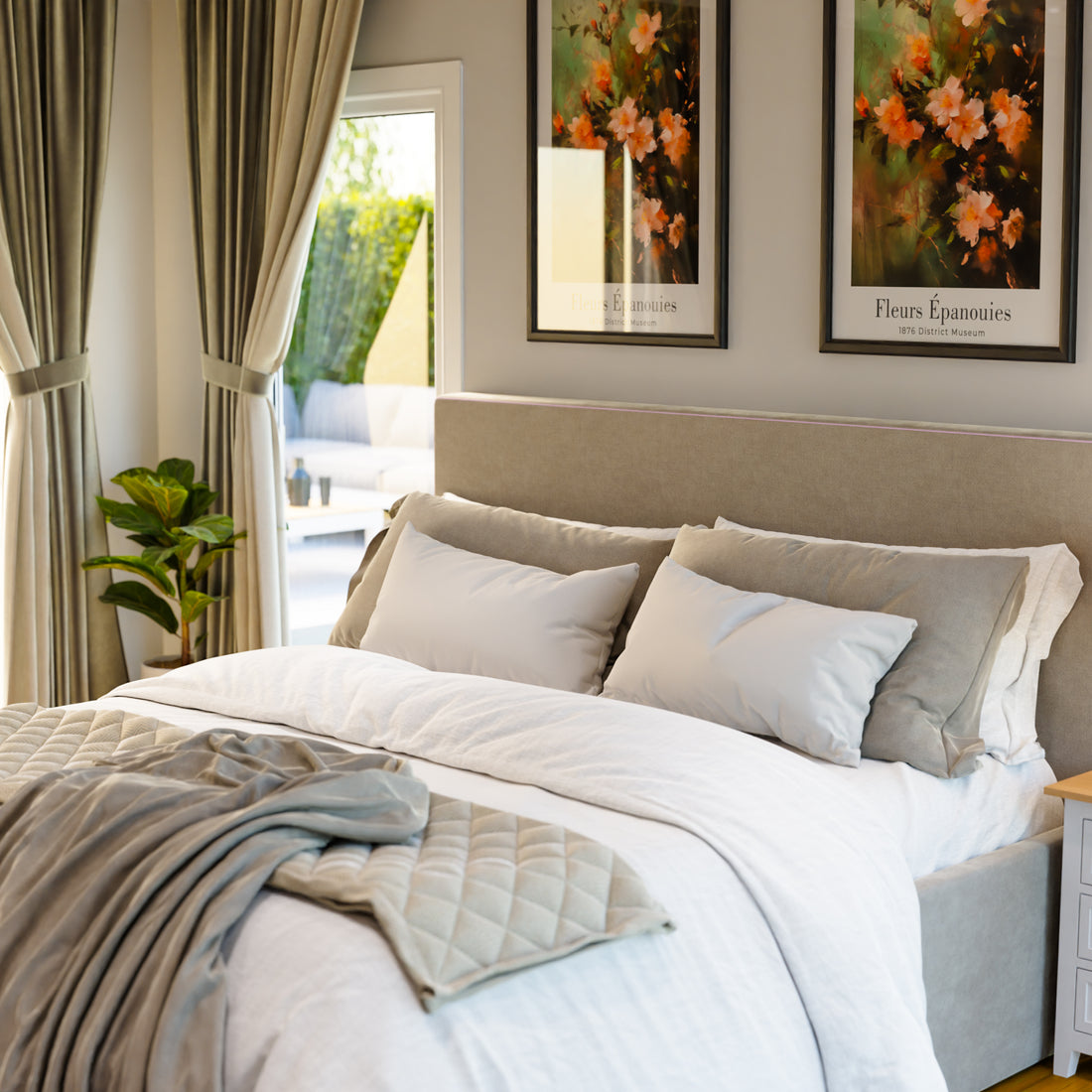
Design experts re-anchor the bed as the architectural focal point of the room. Achieving this requires intentional crown construction at the head of the bed: stack European shams stuffed with resilient, high-loft inserts against the headboard to catch low evening shadows and create a structural backdrop that feels protective, plush, and deeply comforting.
The Looms & Linens Difference
A seamless seasonal transition relies entirely on internal structural integrity. While exterior cushion covers provide color and texture, the luxurious chop, firm architectural drape, and enduring loft of a bed or sofa come down to what lies beneath.
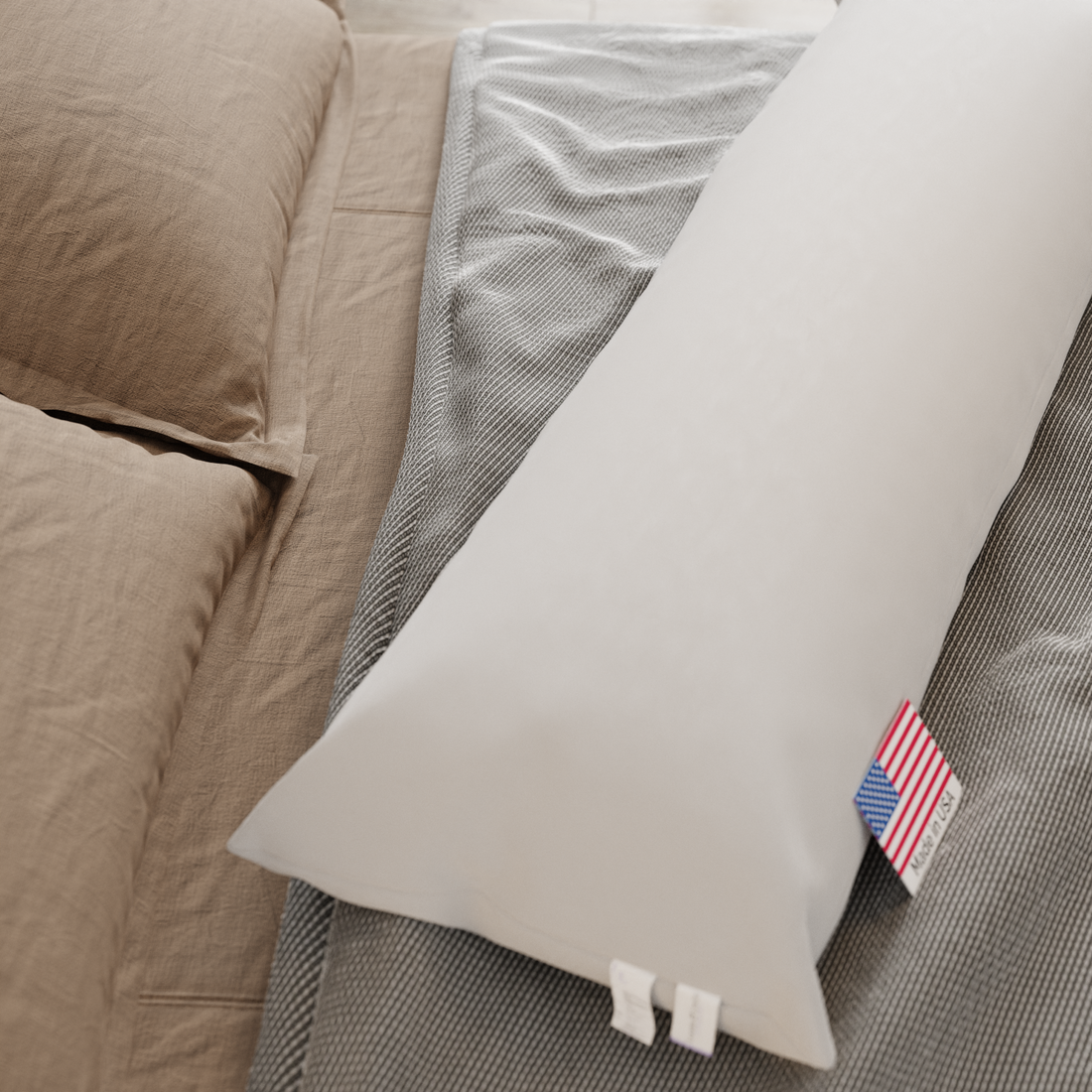
Looms & Linens high-density pillow inserts—crafted with American precision in Down-Alternative, Organic Kapok, and Feather blends—provide the exact weight-to-loft ratio required for editorial-grade styling. Built with overfilled, shift-proof density, our inserts maintain their pristine shape and spring back effortlessly season after season, delivering the ultimate foundation for quiet luxury.
Conclusion
Bridging the gap between seasons is not about grand overhauls, but thoughtful refinement. By applying these five editorial secrets, your living spaces will feel perfectly poised—capturing the serene lightness of late summer days while embracing the warm, welcoming comfort of autumn evenings.