
Beyond the Sag: The Architectural Guide to Curing Slouching Cushion Covers
Beyond the Sag: The Architectural Guide to Curing Slouching Cushion Covers
Few elements compromise the visual integrity of a finely curated living space faster than slouching, hollowed cushion covers. You may select the most exquisite hand-woven linen or raw silk casing, yet within weeks, the fabric inevitably sags, pool-wrinkles at the seams, and loses its structural poise. In high-end residential interiors, this is not a fabric defect—it is a engineering failure of internal support.
Restoring the architectural crispness of your soft furnishings requires understanding the physics of fill density, fabric tension, and core resilience. Here is the definitive, designer-approved guide to solving cushion sag and maintaining a pristine, editorial-grade sofa landscape.
1. Diagnosing the Structural Deficit: Fill Weight vs. Textile Tension
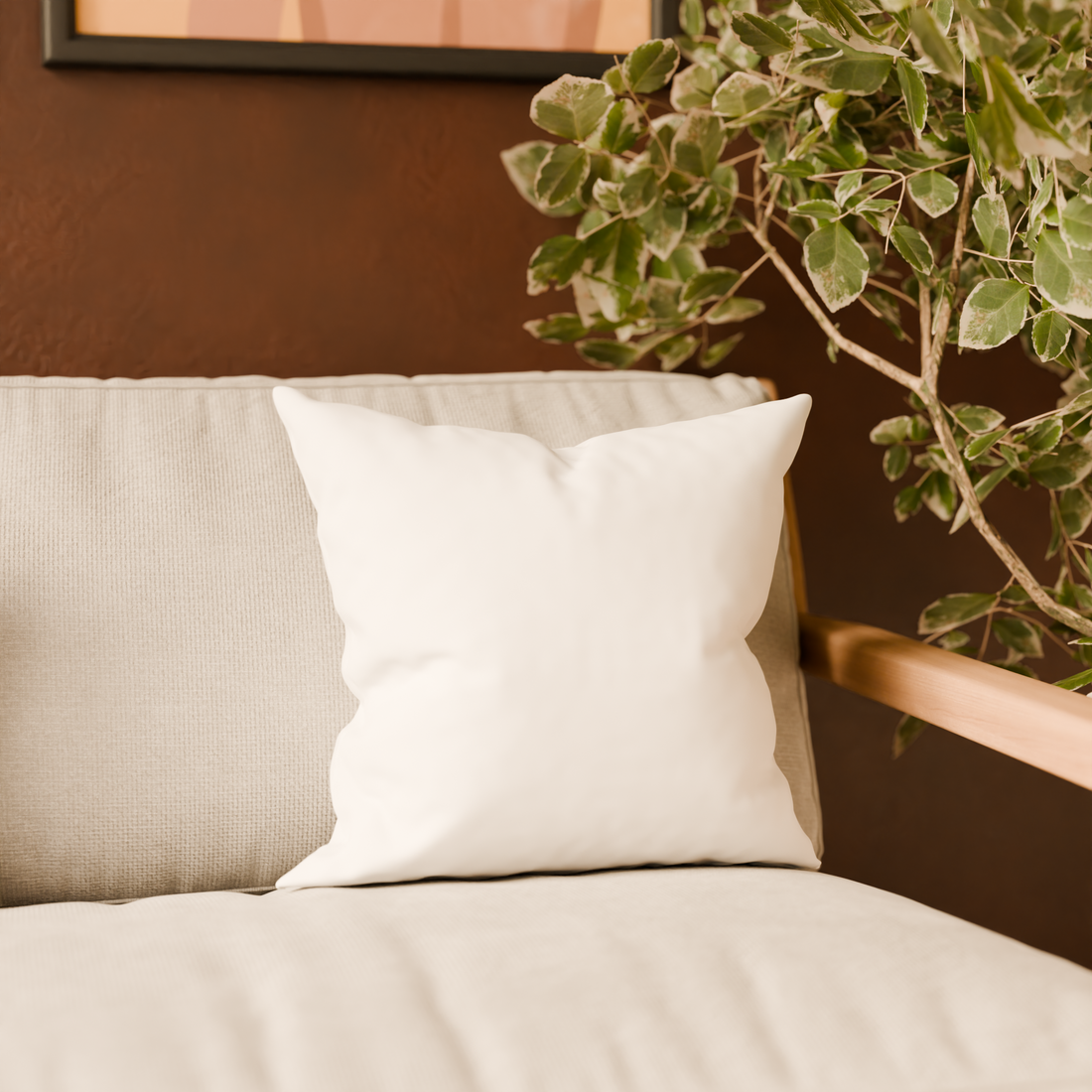
When a cushion cover slouches, the primary culprit is an imbalance between the cover’s outer drape and the inner insert’s volumetric mass. Standard, off-the-shelf pillow inserts are typically filled with low-density polyester or lightweight down blends that compress rapidly under ambient atmospheric pressure and normal daily use.
As the internal fill collapses, fabric tension vanishes, leaving excess textile to fold awkwardly over itself. To diagnose the deficit, inspect the top corners of your cushion. If the fabric sags inward or exhibits empty "ears," your insert lacks the required fill weight to support the textile's natural gravity.
2. Re-Engineering the Core: The Overfilling Calculation
The immediate solution to fabric slack is applying precise geometric tension. Professional interior stylists never match the dimensions of a cushion cover with an insert of identical measurements.
To eliminate sag completely, employ the mandatory +2 Overfill Ratio:
-
For a 20x20-inch cover, install a 22x22-inch insert.
-
For a 22x22-inch cover, install a 24x24-inch insert.
-
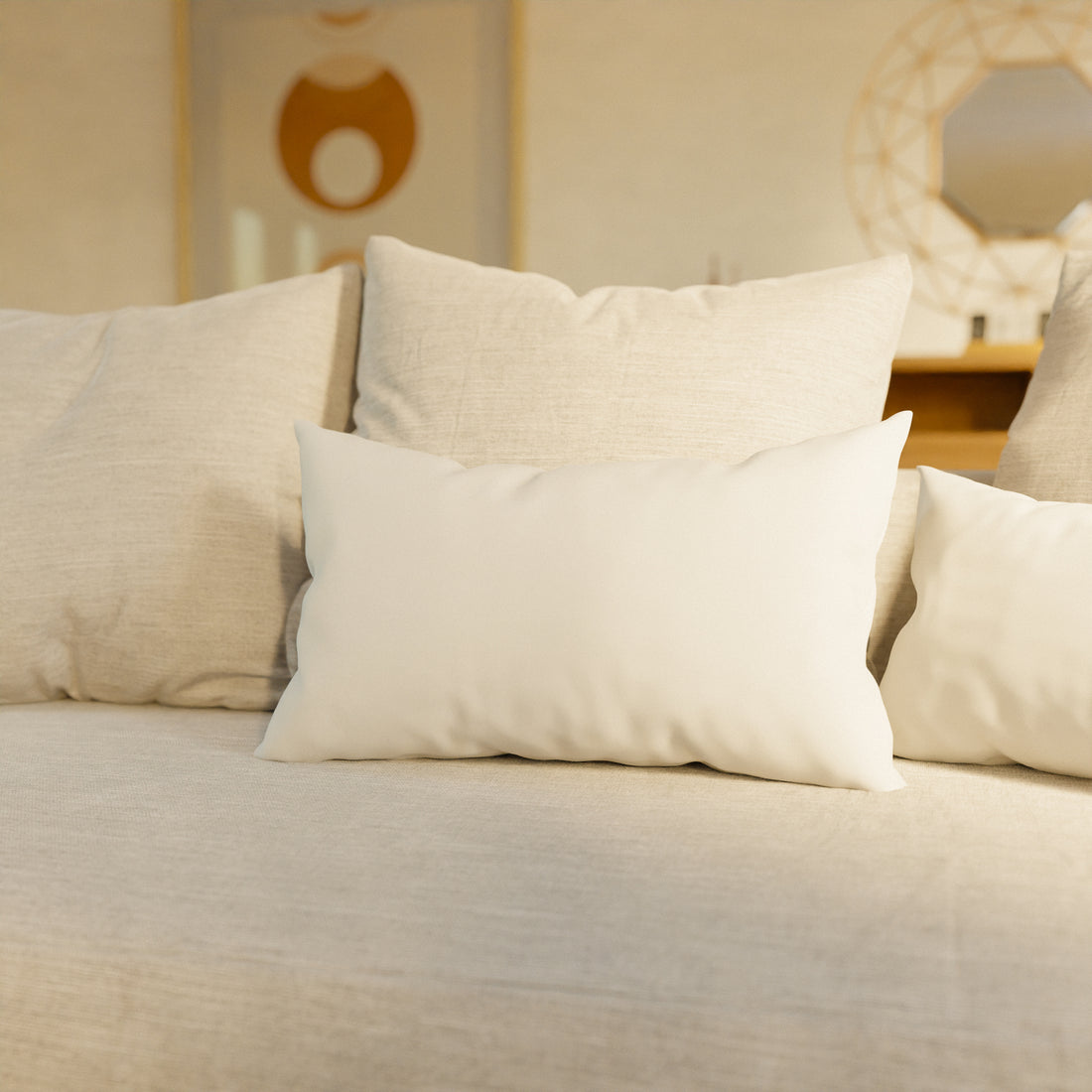
For elongated lumbar covers (e.g., 12x24 inches), increase the insert width by two inches (14x24 inches) to ensure the zipper seam remains taut and structured from end to end.
This micro-upsizing forces internal fill into every square millimeter of the casing, creating a firm internal pressure that keeps the exterior fabric smooth, wrinkle-free, and upright.
3. Material Selection: Matching Core Resilience to Textile Weight
Not all cushion covers demand the same core architecture. Heavy textiles such as velvet, bouclé, and heavy upholstery-grade canvas possess high intrinsic weight, requiring a firmer internal structure to prevent bowing.
-
Heavyweight Fabrics (Velvet, Woven Tapestry): Pair with dense feather-down or high-loft Kapok inserts. These natural fibers provide dense, structural resistance that carries the weight of heavy exterior weaves without collapsing.
-
Lightweight Fabrics (Stonewashed Linen, Sheer Cottons): Pair with high-density micro-denier Down-Alternative inserts. This creates a soft, cloud-like surface tension without forcing coarse fiber quills through delicate fabric threads.
4. Daily Restoration and the Physics of Air Redistribution
Even the finest high-density inserts require periodic structural realignment. Over time, physical pressure displaces air pockets within the fill. To maintain an unyielding, tailored profile without manual fluffing fatigue, establish a daily restoration routine.
Grasp the cushion by its opposing diagonal corners, compress firmly inward twice, and release. This action draws air back into the core matrix and redistributes the internal fibers evenly toward the perimeter seams. Finish with a light center tap along the top edge to set the architectural crown.
The Looms & Linens Difference
Solving structural sag permanently requires an unyielding foundation. At Looms & Linens, our high-density pillow inserts are engineered specifically to solve the problem of slouching textiles.
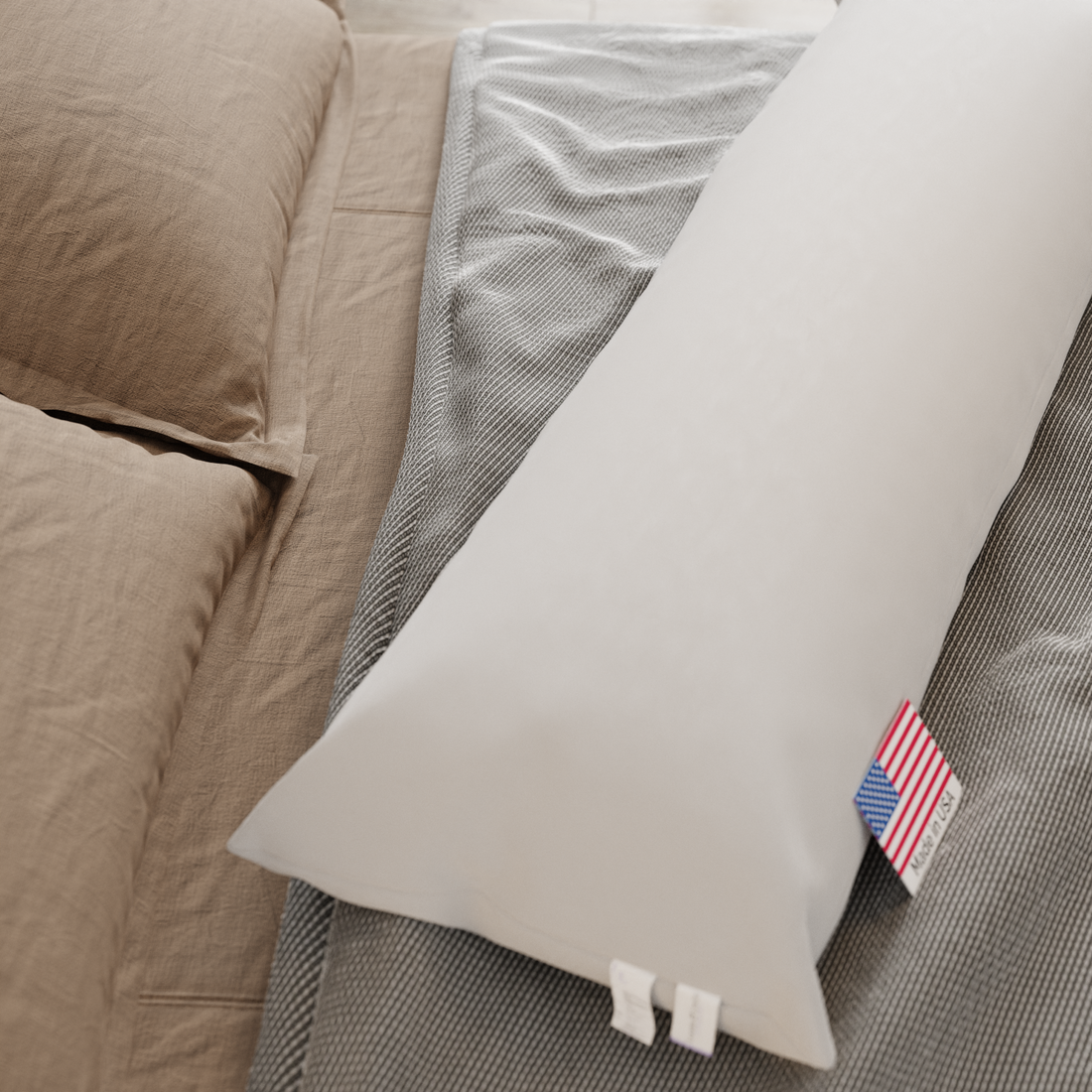
Overfilled by design with premium American Down-Alternative, Organic Kapok, or natural Feather blends, each insert provides the exact volumetric mass needed to stretch cover fabrics to tailored perfection. Built with high-thread-count, migration-proof cotton shells, our cores retain their lofty bounce and crisp edge geometry year after year—ensuring your living space maintains its quiet luxury posture effortlessly.
Conclusion
A beautifully structured living space relies on the unseen details beneath the surface. By correcting internal density, mastering overfill ratios, and matching core resilience to textile weight, you transform sagging soft furnishings into enduring statements of architectural elegance.