

The Architecture of Breathability: A Material Breakdown of Natural vs. Synthetic Pillow Cores for Pure Sleep Ecology
The Architecture of Breathability: A Material Breakdown of Natural vs. Synthetic Pillow Cores for Pure Sleep Ecology
In the pursuit of an elevated bedroom sanctuary, aesthetic choices like thread count and exterior textile weaves often dominate the conversation. However, the true luxury of an exceptional sleeping environment is invisible—it resides within the respiratory microclimate directly beneath your head. We spend a third of our lives with our airways inches away from pillow cores that either actively purify our sleep ecosystem or silently harbor allergens, moisture, and VOC off-gassing.
Designing for true restorative wellness requires an uncompromising examination of material science. When evaluated through the rigorous lens of dermatological health, thermal dissipation, and structural longevity, the chemical and physical composition of your insert filling dictates the quality of your sleep. Here is an authoritative, material-by-material breakdown of high-performance natural and clean synthetic pillow cores.
1. Organic Kapok: The Hypoallergenic, Silken Botanical Core
Harvested sustainably from the seed pods of the tropical Ceiba pentandra tree, Organic Kapok represents the pinnacle of natural sleep luxury. Often referred to in botanical circles as "plant down," kapok fibers are hollow, ultra-fine cellulose filaments coated in a natural bitter compound that acts as an innate repellent against dust mites, mold spores, and bacterial colonization.
-
Respiratory & Skin Health: Unlike conventional animal down, kapok contains zero animal dander or residual keratin proteins, making it naturally hypoallergenic and safe for sensitive respiratory systems.
-
Thermal Dynamics: The microscopic hollow core of each kapok fiber allows unobstructed air circulation. As your body releases heat during the deep sleep cycle, kapok expels moisture and trapped warmth rather than absorbing it, maintaining an consistently neutral sleeping temperature.
-
Density & Support: Kapok offers eight times the lightness of raw cotton while maintaining remarkable tensile resilience, providing a plush, cloud-like buoyancy that supports cervical alignment without compacting into a dense, unyielding block.
2. Ethical High-Loft Feather & Down: Natural Thermoregulation and Structural Memory
Natural waterfowl plumage has served as the gold standard of luxury hospitality bedding for centuries due to its unmatched loft-to-weight ratio. However, in a health-focused bedroom, the provenance, processing, and sterilization of the plumage are paramount.
-
The Health Factor: Low-grade feather inserts frequently trigger respiratory irritation due to improper cleaning, residual dander, and low-density ticking shells that allow quill shafts to pierce the fabric. Premium, ethically sourced plumage undergoing multi-stage hyper-cleansing eliminates natural bio-allergens, yielding a sterile, pure core.
-
Airflow Physics: Down clusters expand to trap pockets of ambient air, creating an adaptive, self-regulating thermal barrier that adjusts to shifting room temperatures throughout the night.
-
Ergonomic Memory: Feather and down cores contour fluidly to the occipital cavity and neck curve, redistributing pressure points across the spine before springing back to full crown loft with a simple shake.
3. Clean Micro-Denier Down-Alternative: Zero-Off-Gassing Synthetic Precision
For homes prioritizing absolute allergen immunity or requiring frequent washability, modern clean synthetics have transcended the stiff, off-gassing polyester bats of the past. High-grade down-alternative inserts utilize ultra-fine, virgin micro-denier filaments engineered to replicate the tactile behavior of natural plumage without petrochemical odor.
-
Purity & VOC Standards: Inferior foam and synthetic inserts often off-gas volatile organic compounds (VOCs) and chemical flame retardants that degrade indoor air quality. Medical-grade, OEKO-TEX® certified down-alternative fibers eliminate off-gassing, providing a pristine, biologically inert core.
-
Dust Mite Resistance: Because micro-denier fibers are non-porous and inorganic, they provide zero nutritional sustenance for dust mites or microbial life, establishing a sterile sanctuary for individuals with acute asthma or dermatological sensitivities.
-
Uniform Loft: Engineered with uniform fiber length, micro-denier cores resist clumping and shifting, ensuring consistent, high-density support across the entire pillow surface.
The Looms & Linens Difference
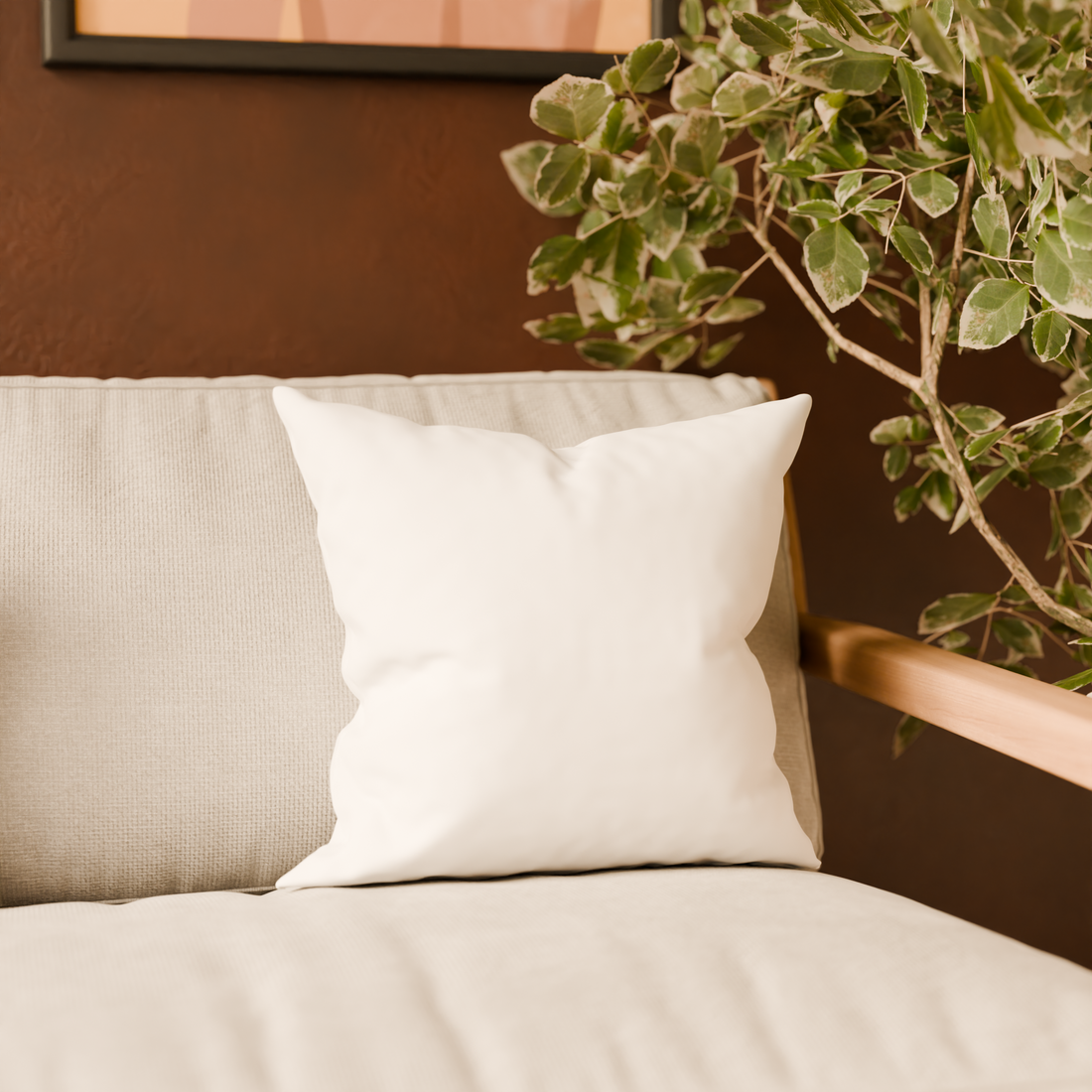
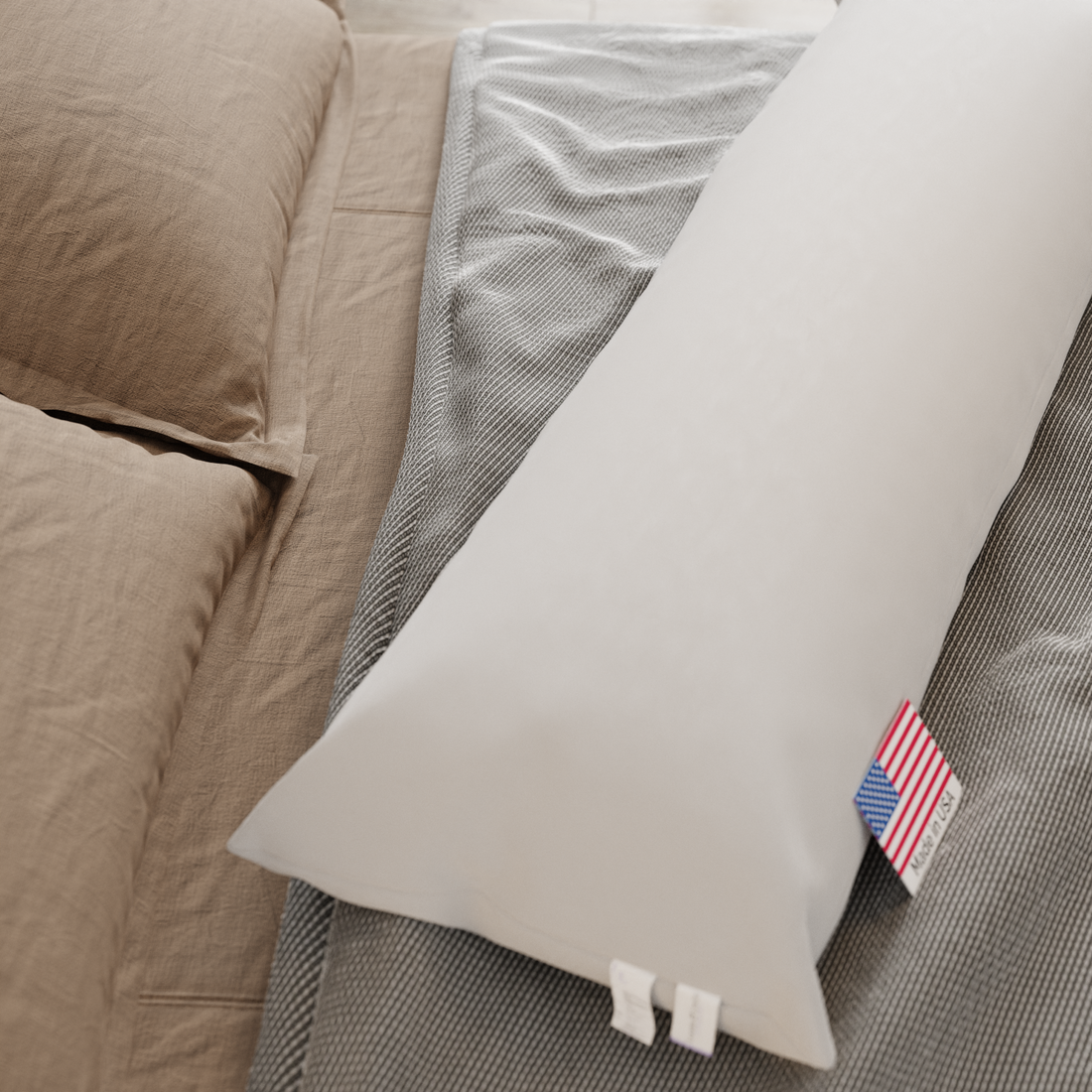
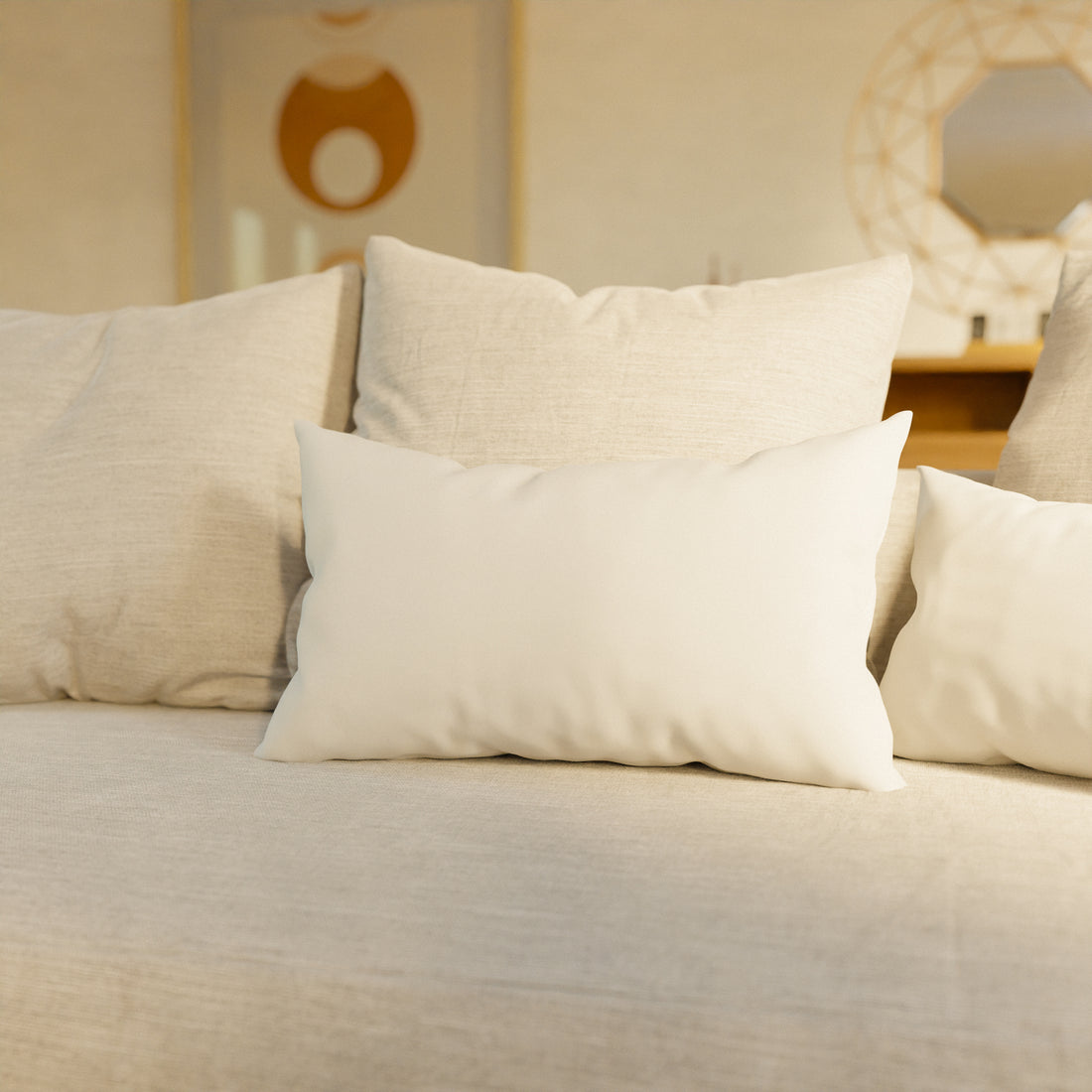
True quiet luxury is rooted in the purity of craftsmanship. At Looms & Linens, our high-density pillow inserts are built on an uncompromising commitment to clean material science and American manufacturing excellence.
Whether selecting our 100% GOTS-Certified Organic Kapok, hyper-cleansed natural Feather blends, or hypoallergenic micro-denier Down-Alternative, every Looms & Linens core is encased in a 100% breathable, high-thread-count unbleached cotton shell designed to prevent fiber migration and optimize airflow. Overfilled to exacting density specifications, our inserts provide lasting cervical support, chemical purity, and the refined, publication-grade loft your home deserves.
Conclusion
Elevating your home's sleep wellness begins by looking beyond exterior surfaces. By investing in clean, breathable, and biologically pure pillow cores, you cultivate an environment of uncompromised comfort—where architectural beauty and restorative health coexist in perfect equilibrium.