

The Purity of the Core: A Dermatological and Respiratory Breakdown of Natural vs. Clean Synthetic Pillow Fills
The Purity of the Core: A Dermatological and Respiratory Breakdown of Natural vs. Clean Synthetic Pillow Fills
In high-end interior architecture, considerable attention is devoted to what the eye can see: thread count, weave density, and the bespoke texture of exterior shams. Yet in the modern wellness-focused home, the most critical design element is completely invisible. For roughly eight hours every night, your face and respiratory pathways are in direct contact with your pillow core, creating an intimate microclimate that either supports cellular restoration or silently exposes your skin and lungs to moisture buildup, trapped bio-allergens, and synthetic off-gassing.
Designing a bedroom for authentic, restorative health requires looking past surface aesthetics and interrogating the material science within. When analyzed through the lens of dermatological wellness, antimicrobial resistance, and thermal regulation, the chemical and physical architecture of your insert fill dictates your overall sleep ecology. Here is a definitive material breakdown of high-performance natural and clean synthetic pillow cores.
1. GOTS-Certified Organic Kapok: The Hypoallergenic Botanical Shield
Harvested from the natural seed pods of the tropical Ceiba pentandra tree, Organic Kapok—often celebrated in textile circles as "plant down"—represents the gold standard in clean botanical sleep science. Unlike dense raw cotton or chemically treated foam, kapok is an ultra-fine, silky cellulose filament with a hollow internal core.
-
Dermatological Health: Kapok fibers possess a naturally occurring bitter constituent that renders the core inhospitable to dust mites, mold spores, and bacterial growth without the use of chemical pesticides or antimicrobial treatments. For complexions prone to nighttime breakouts or contact sensitivity, it provides an inert, irritation-free foundation.
-
Respiratory Microclimate: Because it is 100% plant-derived, kapok produces zero animal dander or keratin proteins, eliminating common triggers for nocturnal allergies and morning congestion.
-
Thermal Circulation: The microscopic lumen within each hollow fiber expels humidity and body heat outward rather than absorbing it, maintaining an uninterrupted, temperature-neutral surface throughout deep sleep cycles.
2. Multi-Stage Cleansed Feather & Down: Natural Thermoregulation with Bio-Purity
Natural waterfowl plumage has long defined luxury hospitality for its unmatched loft-to-weight ratio and self-regulating breathability. However, from a health perspective, the integrity of down depends entirely on ethical sourcing and industrial sterilization standards.
-
Allergen Filtration: Low-grade down bedding frequently causes morning sinus irritation due to residual biological dander and unwashed natural oils. Premium plumage that undergoes multi-stage, high-heat hyper-cleansing strips away all biological allergens, leaving an impeccably sterile, pure core.
-
Ergonomic Decompression: Down clusters act as dynamic air springs that contour fluidly to the cervical curve and occipital bone. By continuously equalizing pressure points across the neck and spine, it prevents muscle strain and promotes healthy spinal alignment.
-
Moisture Dissipation: Natural down fibers continuously expand and contract with ambient humidity, absorbing moisture vapor generated during sleep and releasing it into the room before bacterial colonization can occur.
3. Clean Micro-Denier Down-Alternative: Medical-Grade Synthetic Inertia
For households managing acute dust-mite allergies, reactive asthma, or those requiring regular laundering, modern clean synthetics offer a scientifically pure alternative to antiquated polyester batting. High-grade down-alternative inserts utilize virgin, ultra-fine micro-denier filaments engineered to replicate the tactile softness of down while maintaining biological neutrality.
-
Zero-VOC Certification: Inferior synthetic pillows and memory foams frequently emit volatile organic compounds (VOCs) and chemical off-gassing that degrade indoor air quality. OEKO-TEX® certified micro-denier fibers are biologically inert and chemically pure, ensuring your sleep microclimate remains free of airborne toxins.
-
Complete Allergen Immunity: Because synthetic filaments lack organic material or porosity, they offer no nutrient source for microbial life or microscopic pests, making them the most sterile choice for sensitive immune systems.
-
Consistent Resilience: Engineered with uniform fiber dimensions, micro-denier cores do not mat, clump, or create uneven pressure zones, delivering balanced, high-density support across the entire pillow structure.
The Looms & Linens Difference
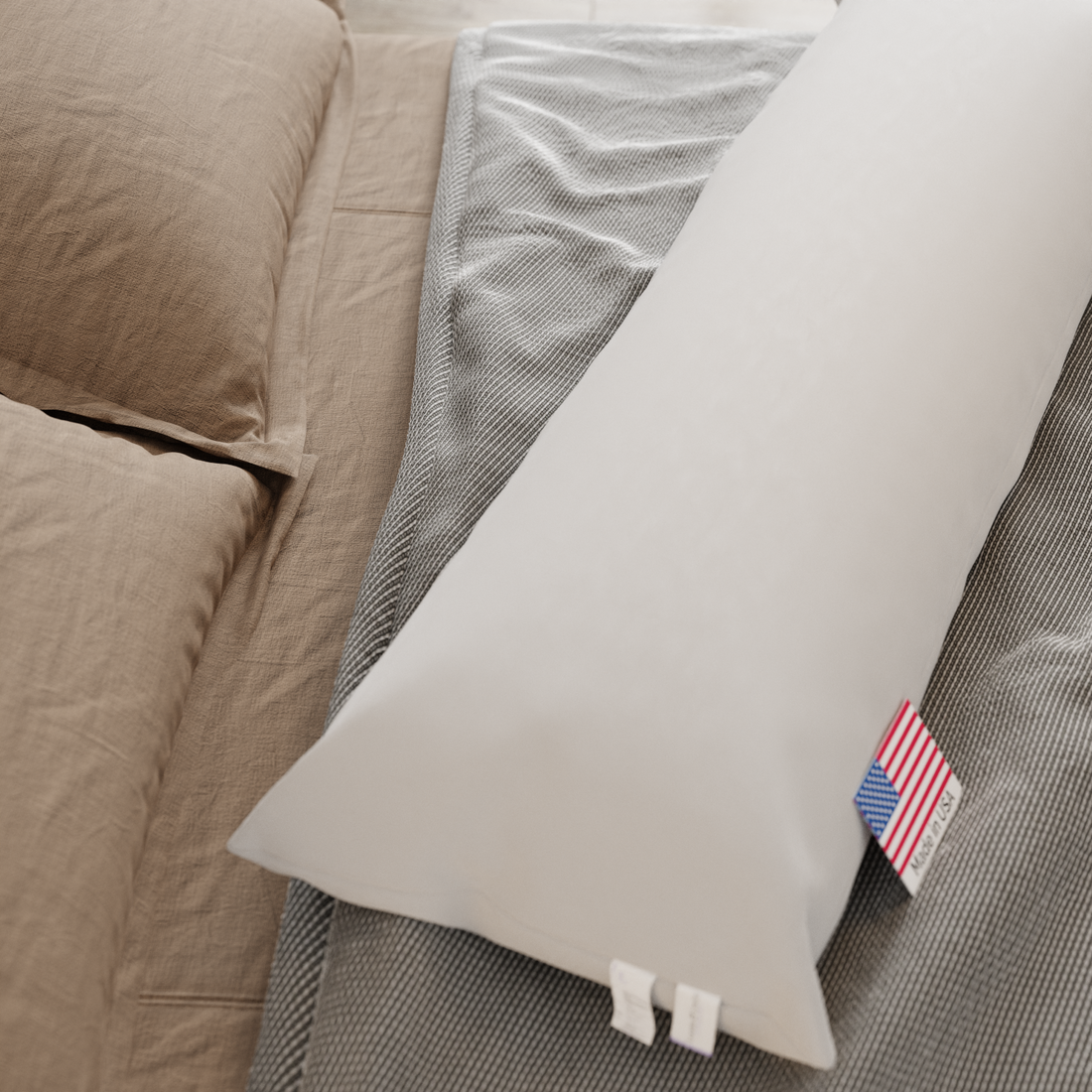
True luxury is rooted in the purity of craftsmanship and uncompromised material integrity. At Looms & Linens, our high-density pillow inserts are built on an uncompromising commitment to clean material science and American manufacturing excellence.
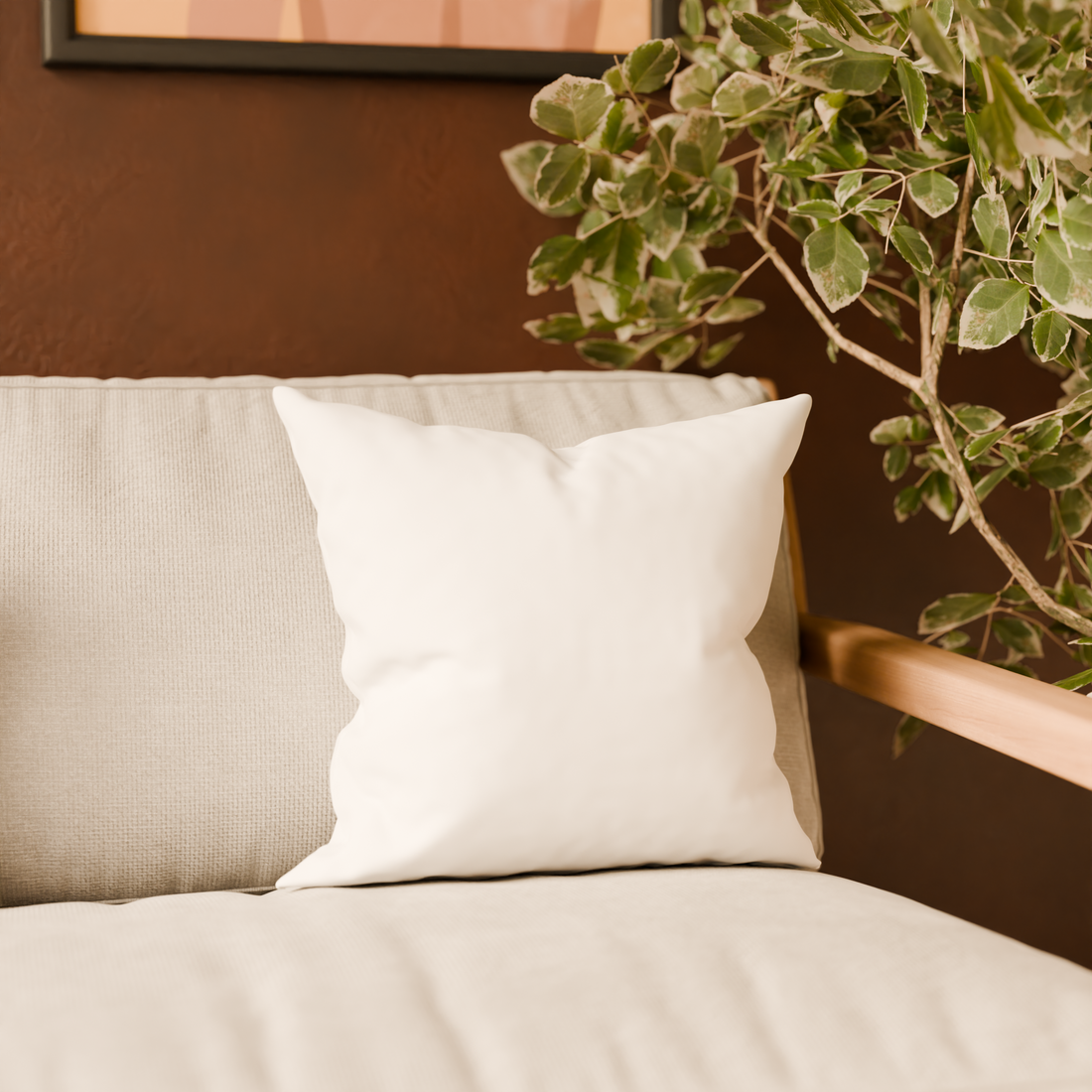
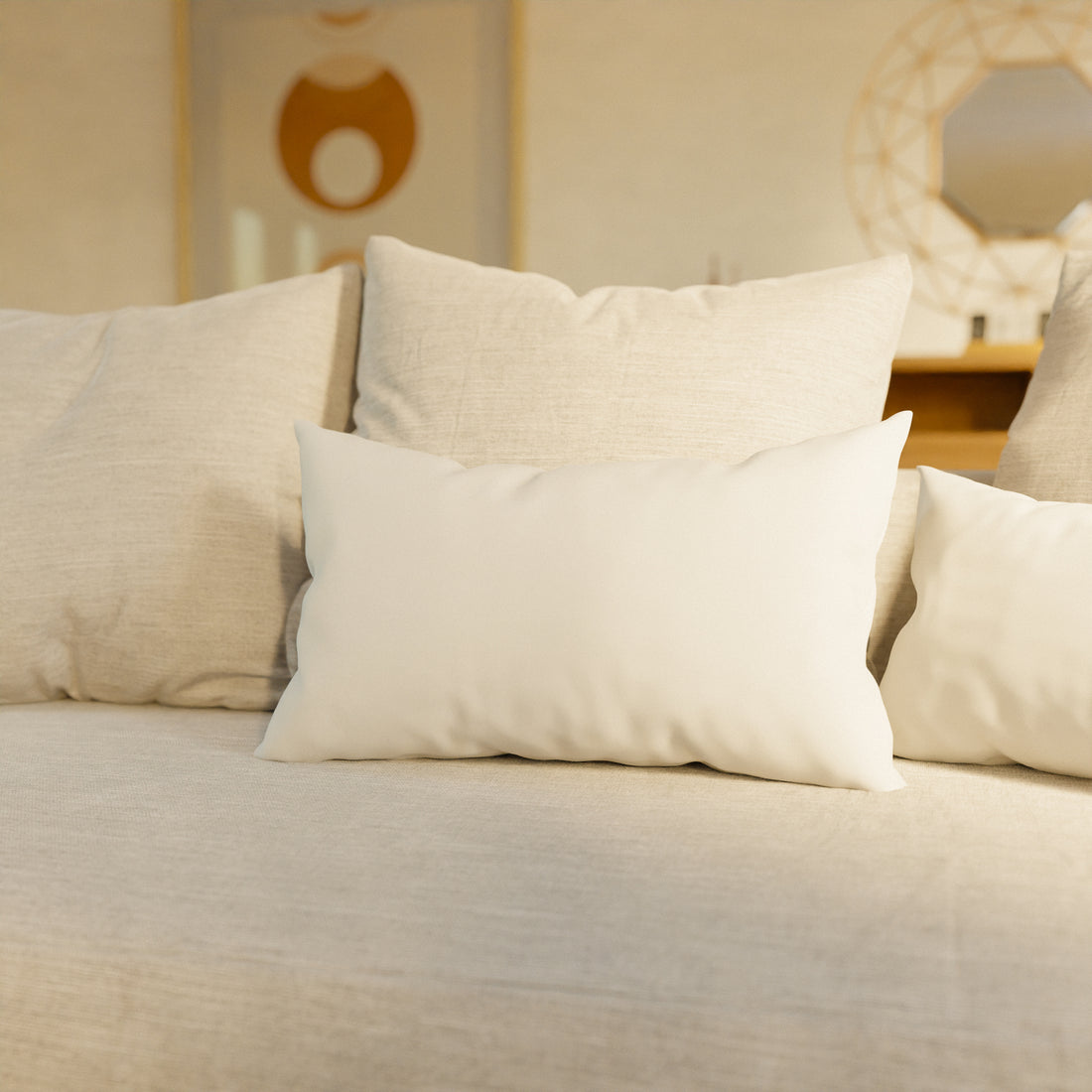
Whether selecting our 100% GOTS-Certified Organic Kapok, hyper-cleansed natural Feather blends, or hypoallergenic micro-denier Down-Alternative, every Looms & Linens core is encased in a 100% breathable, high-thread-count unbleached cotton shell designed to prevent fiber migration and optimize airflow. Overfilled to exacting density specifications, our inserts provide lasting cervical support, chemical purity, and the refined, publication-grade loft your home deserves.
Conclusion
Elevating your home's sleep wellness begins by looking beyond exterior surfaces. By investing in clean, breathable, and biologically pure pillow cores, you cultivate an environment of uncompromised comfort—where architectural beauty and restorative health coexist in perfect equilibrium.