
The Four-Layer Architecture: A Designer’s Blueprint for the Ultimate Bedding Makeover
The Four-Layer Architecture: A Designer’s Blueprint for the Ultimate Bedding Makeover
In luxury interior design, the difference between an uninspiring, flat bedroom and a breathtaking master suite rarely comes down to paint colors or costly architectural renovations. The secret lies entirely within the art of spatial layering. Many homeowners approach bedding as a two-dimensional surface—a flat fitted sheet pulled beneath a single duvet. The result is inevitably sparse, uninviting, and devoid of the dimensional depth seen in the pages of high-end design publications.
Editorial stylists construct beds not as flat planes, but as sculptural landscapes. By manipulating tactile depth, weight distribution, and internal loft across four distinct architectural strata, you can orchestrate a dramatic visual makeover without purchasing new bedroom furniture. Here is the designer blueprint for executing a complete bedding transformation through disciplined layering.
1. Layer 1: The Crisp Structural Foundation
Every striking makeover begins with a flawless base. The foundational layer establishes clean lines and smooth geometric boundaries that ground the more textured elements above.
-
The Execution: Discard tired, loose-fitting sheets in favor of high-thread-count percale or crisp long-staple cotton. Pull your base sheet completely taut. When applying the top flat sheet, lay it patterned-side down, pulling it all the way to the top headboard before folding back a generous 10-inch cuff.
-
The Designer Secret: Press the top cuff flat with light linen spray. This crisp, pristine white or ivory border provides an intentional visual break, separating the headboard from the textured layers below and creating an immediate sense of tailored luxury.
2. Layer 2: The Mid-Tier Thermal & Tactile Bridge
The transition between foundational sheeting and top bedding is where most DIY styling fails. Skipping this mid-tier layer leaves the bed looking stark and visually disconnected.
-
The Execution: Introduce a lightweight coverlet, stonewashed linen quilt, or fine-gauge waffle-weave blanket across the entire mattress surface, tucking it cleanly along the sides.
-
The Designer Secret: Expose three to four inches of this mid-layer beneath your folded top duvet. By revealing a secondary weave—such as the subtle relief of a matelassé or the earthy slub of washed linen—you create visual friction. This subtle contrast catches low-angle daylight and immediately signals intentional curation.
3. Layer 3: The Sculpted Duvet Cascade
The third layer provides the dramatic visual mass of the bed. A flat, single-layer duvet makes a bed look deflated; an editorial bed requires voluminous, cloud-like grandeur.
-
The Execution: Pull your duvet three-quarters of the way up the bed. Fold the top edge backward toward the foot of the bed, then fold it once more over itself in a deep, tailored "Z-fold."
-
The Designer Secret: This double-fold technique concentrates double the fill thickness across the center third of the bed. It exposes the crisp sheeting and mid-layer beneath while making your duvet appear twice as thick, plush, and inviting as it would lying flat.
4. Layer 4: The High-Density Cushion Gallery
The final crowning layer transforms the headboard from a functional rest into an architectural focal point. The secret to this makeover is replacing shapeless sleeping pillows with a structured vertical gallery that commands the room.
-
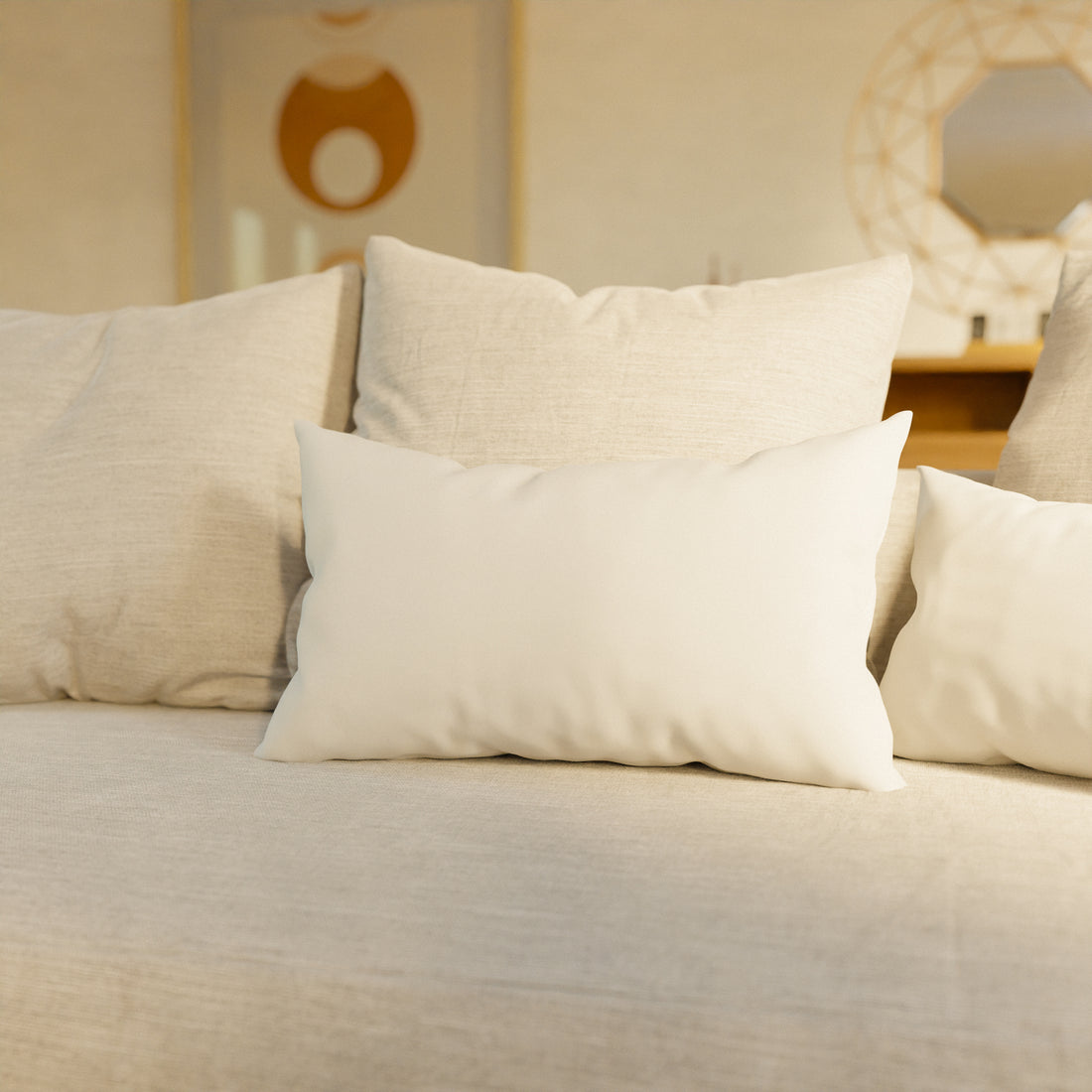
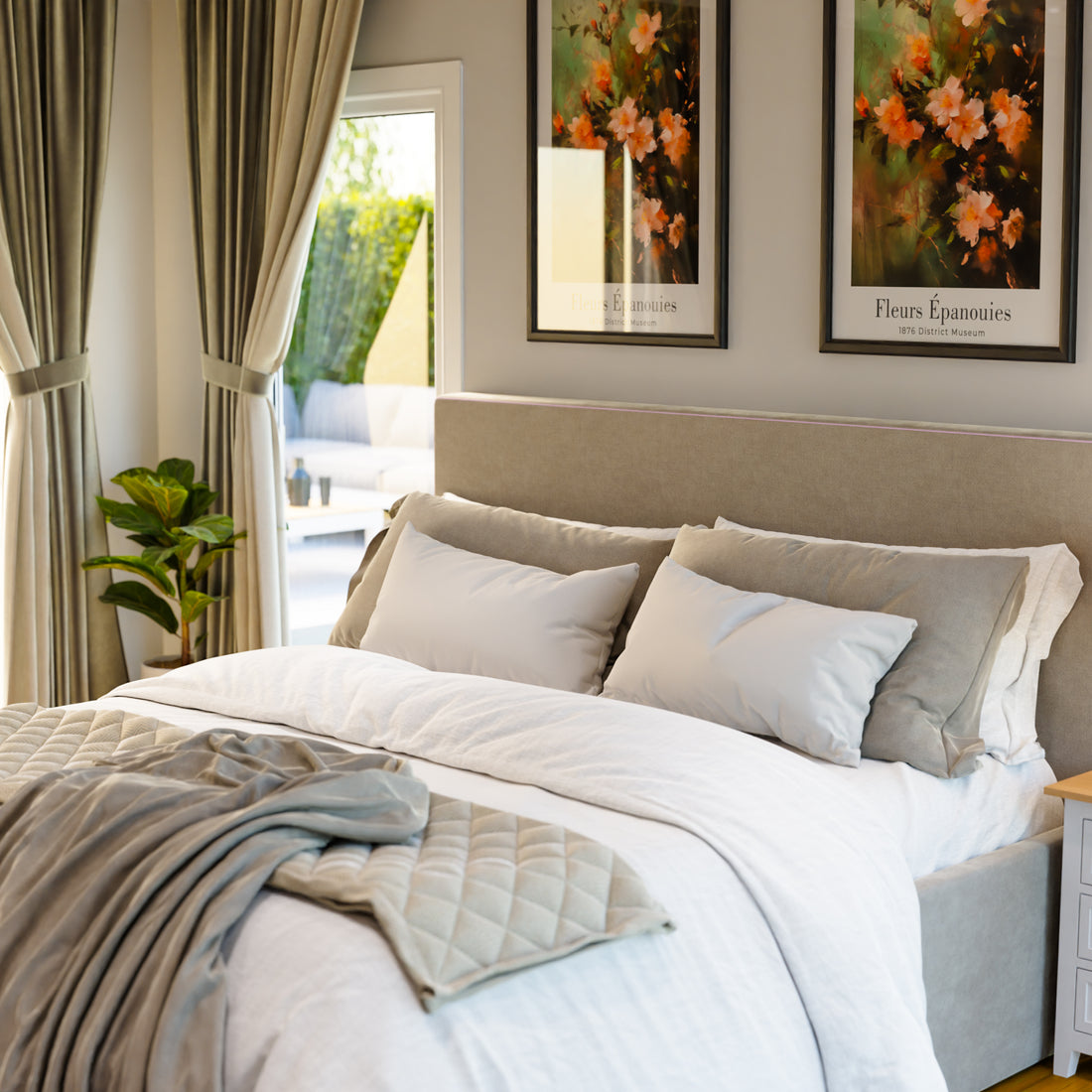
The Execution: Erect two to three 26x26-inch European shams firmly against the headboard to serve as your vertical pillars. Layer your standard sleeping pillows directly in front, followed by two 20x20-inch textured accent cushions. Finish the composition with a single elongated 14x36-inch lumbar pillow centered in front.
-
The Designer Secret: Use the "2-inch overfill rule" for all decorative shams. An insert must be two inches larger than its casing to eliminate fabric slack, push volume into the corners, and hold a refined, shallow editorial chop that catches ambient room light.
The Looms & Linens Difference
A multi-layered bedding makeover collapses instantly if the underlying soft furnishings lack internal density. Hollow corners, slouching Euro shams, and limp accent cushions ruin the architectural silhouette of an otherwise impeccably styled bed.
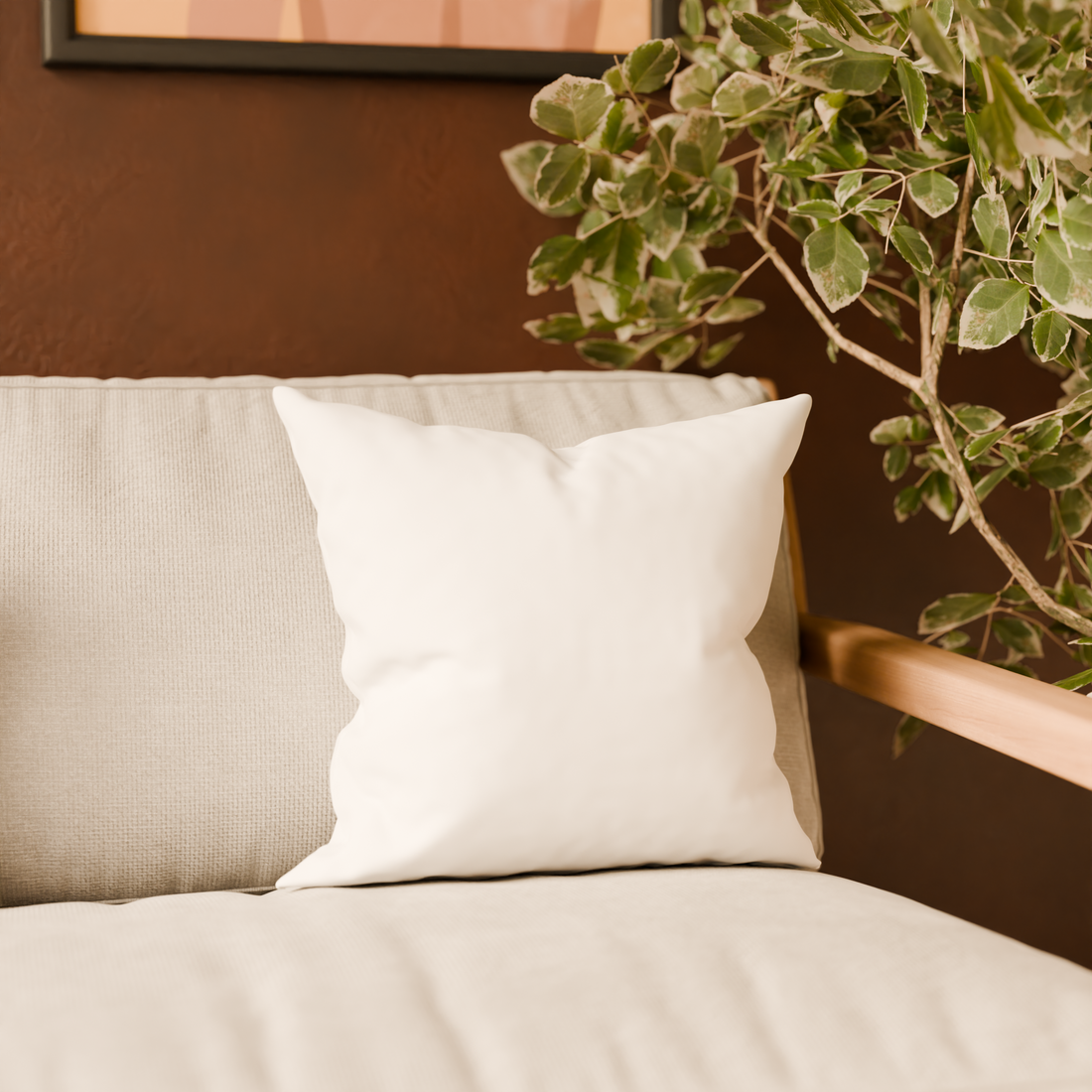
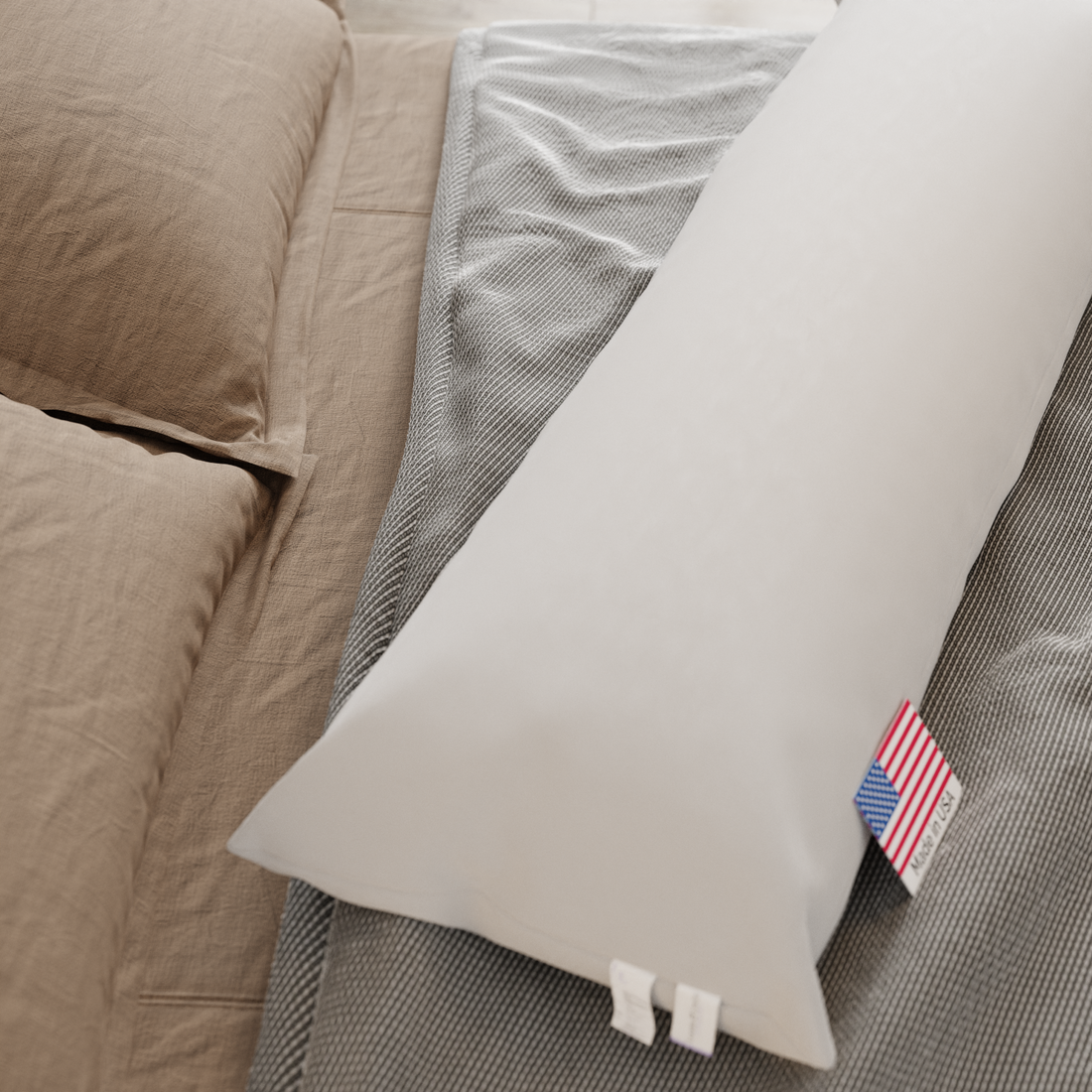
Looms & Linens high-density pillow inserts—crafted with pride in the USA in premium Down-Alternative, GOTS-Certified Organic Kapok, and Feather blends—provide the essential structural core required for editorial-grade layering. Overfilled with resilient, high-loft fibers, our inserts stand firmly upright, resist sagging throughout daily use, and maintain their crisp geometric contours season after season.
Conclusion
A breathtaking bedroom transformation does not require starting from scratch. By implementing the Four-Layer Architecture—balancing crisp foundational sheeting, tactile mid-layers, sculpted duvet folds, and high-density cushion galleries—you can elevate your bed into a commanding sanctuary of timeless quiet luxury.